62-H
JALAN CHOONG LYE HOCK
TANJUNG TOKONG
10470 Georgetown
Penang, Malaysia +6012488xxxx +604892xxxx
TANJUNG TOKONG
10470 Georgetown
Penang, Malaysia +6012488xxxx +604892xxxx
Interior Design Project Info
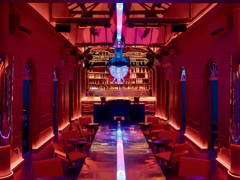
Situated in the heart of Georgetown, SO-OD Bar occupies a century-old heritage building that has been given a renewed spirit through design. What once stood as a quiet relic of the past has been transformed into a bold and expressive social venue, where the essence of history is not erased but reinterpreted through light, colour, and modern craftsmanship. The project explores how a preserved structure can evolve without losing its soul, creating a dialogue between heritage and contemporary hospitality.
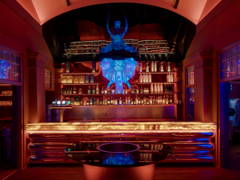
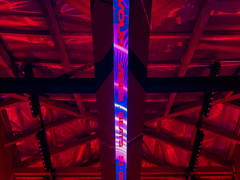
The foundation of the design lies in preservation. The existing timber trusses, concrete beading, and ornate cornices were meticulously restored and celebrated rather than hidden. Illumination became the key tool in this process, casting gentle light along the aged textures and contours of the architecture. Through this approach, the building’s original details are not only retained but elevated, allowing history to remain visible and vibrant within the experience of the bar.
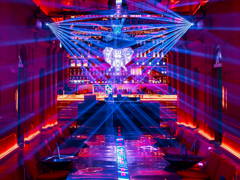
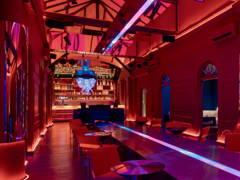
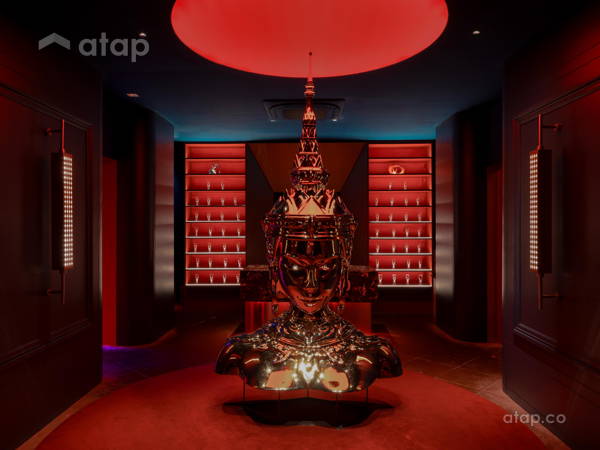
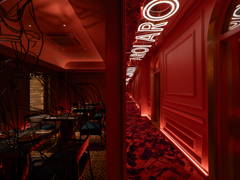
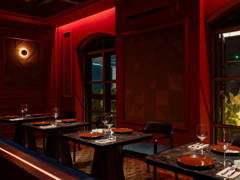
Colour and light define the spatial identity of SO-OD. The main hall glows in bright red, creating a sense of immediacy and theatrical energy, while the private rooms transition into deep shades of blue, offering a more contemplative and intimate atmosphere. This contrast becomes a visual rhythm that carries guests through different emotional tones as they move across the spaces. The red symbolises vibrancy and social connection, while the blue evokes calm and introspection, together shaping the dual character of the venue.
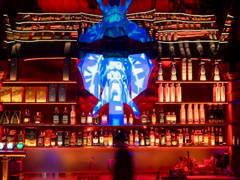
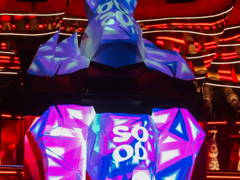
Technology integrates seamlessly into the heritage setting. Linear LED strips trace along the ceiling and in between the seating, introducing a subtle movement of light that enlivens the preserved structure. Projection mapping adds another dimension of storytelling, featuring a sculpted elephant that anchors the bar as both a cultural and symbolic centerpiece. The elephant represents Thailand, paying homage to the celebrated Thai chef who inspired the concept of the space. This interplay of tradition and innovation transforms the interior into a multisensory experience where architecture and light choreography meet.
Materiality further enhances the atmosphere. Reflective surfaces and mirrors are strategically placed to expand the perception of volume, transforming the narrow proportions typical of heritage buildings into spaces that feel fluid and open. The reflections amplify light and colour, creating an immersive depth while maintaining the authenticity of the original structure. Every finish was chosen for its tactile quality, ensuring that the sensory experience is as refined as it is visually engaging.
Functionality and practicality were addressed through thoughtful spatial planning and discreet integration of service zones. Circulation paths allow smooth movement for guests and staff, while lighting and acoustic systems are designed to adapt to different operational moods, from lively evenings to quieter private gatherings. Seating arrangements maximise comfort without compromising flow, ensuring that the bar remains both visually striking and operationally efficient.
Innovation lies in the ability to merge digital design language with the authenticity of heritage architecture. The introduction of lighting technology and projection within an aged envelope redefines how old buildings can embrace modern identity. The project does not rely on technology for spectacle alone but uses it to deepen the emotional engagement between user and space, turning the act of preservation into an act of renewal.
Sustainability guided the process from the beginning. By preserving the building’s structure and materials, the design significantly reduced the environmental footprint of new construction. Existing finishes were reused or restored where possible, and energy-efficient LED lighting was employed throughout to reduce power consumption. The adaptive reuse of this heritage building is itself a sustainable act, extending the life of a structure that continues to serve the community with new purpose.
SO-OD Bar stands as a contemporary interpretation of Georgetown’s layered history. It is a place where architecture, light, and cultural narrative intertwine to create a bar that is both rooted in heritage and alive with innovation. The experience embodies duality: old yet modern, intimate yet dynamic, local in spirit yet globally resonant. Through this transformation, SO-OD Bar redefines what it means to design for history, proving that preservation can be progressive, and that the past can glow anew in the light of the present.
Interior Design Works Included
Interior Design Project Areas
Project Photos